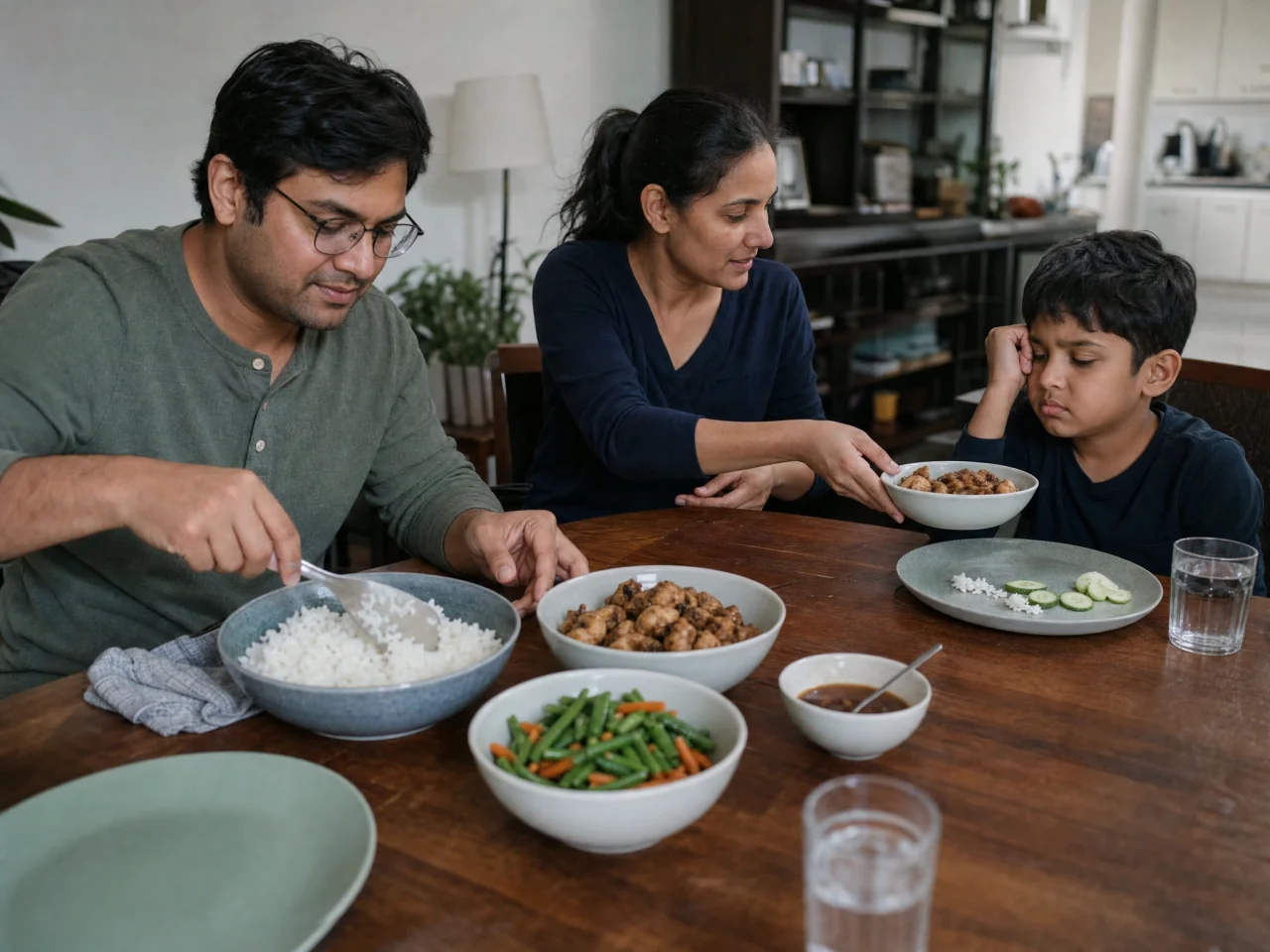
Easy dinner plan for picky eaters
Build a short family dinner plan with familiar foods, flexible serving choices, and simple recipes—without making a separate meal for one eater.
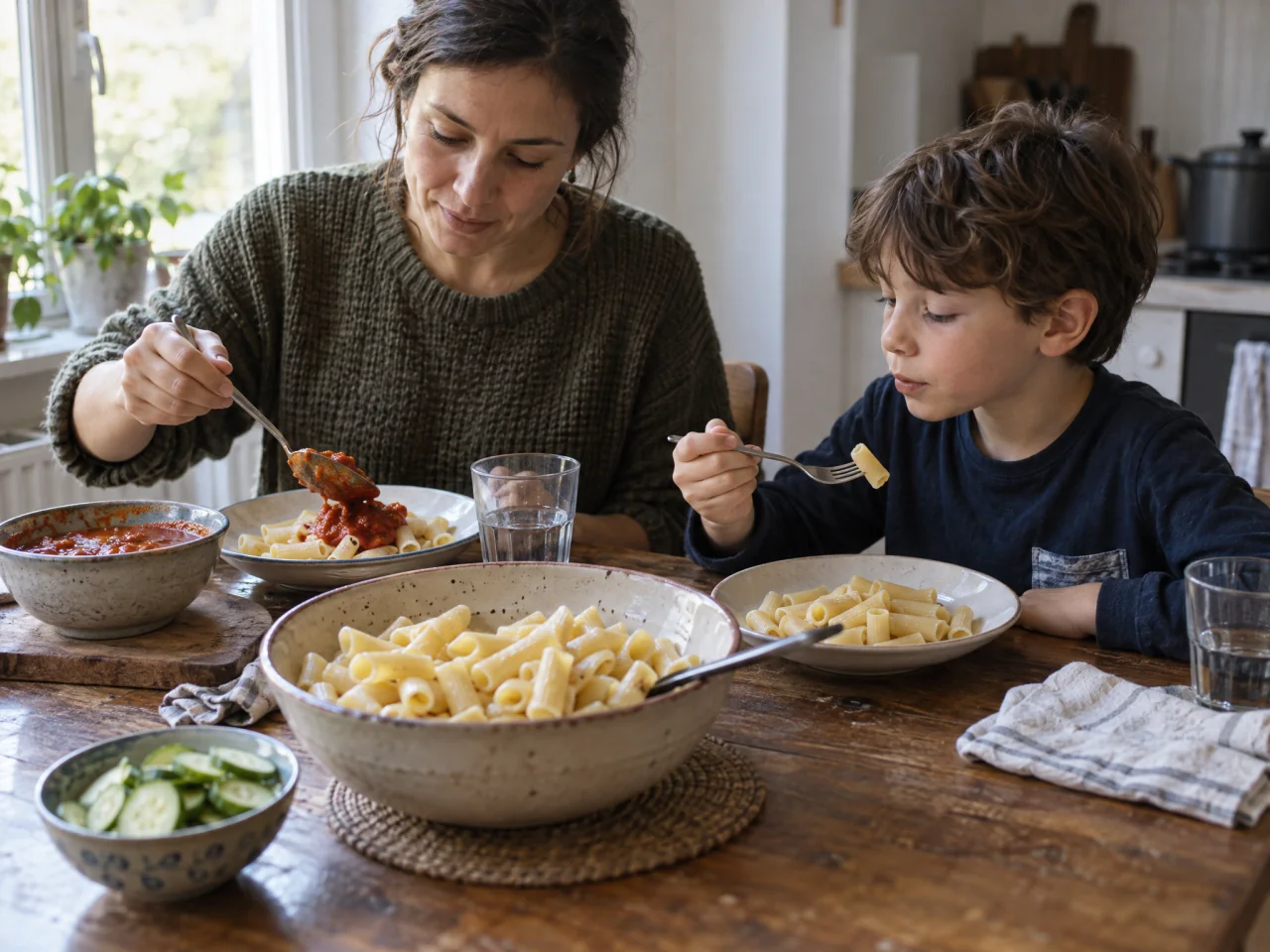
Flexible dinners without a backup meal
Dinner gets easier when the plan starts with foods your family already accepts, then leaves room for small choices in texture, sauce, and sides. The goal is one shared meal that feels familiar enough to try, not a perfect plate or a second dinner.
Give ChatGPT your dinner count, accepted foods, firm dislikes, allergies, serving count, and cooking comfort. It can shape those details into a short plan with simple recipes and a focused grocery list.
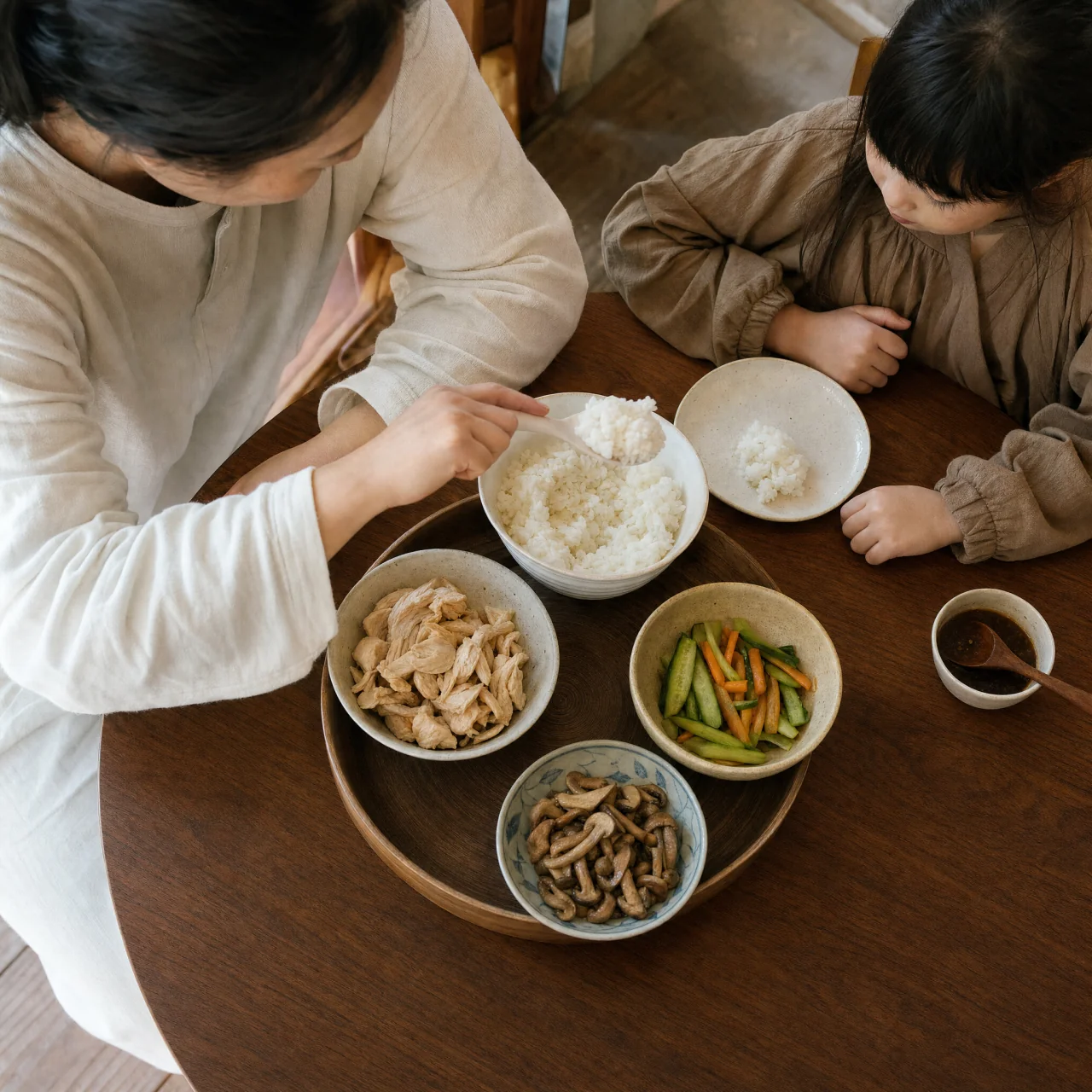
One dinner, served in parts
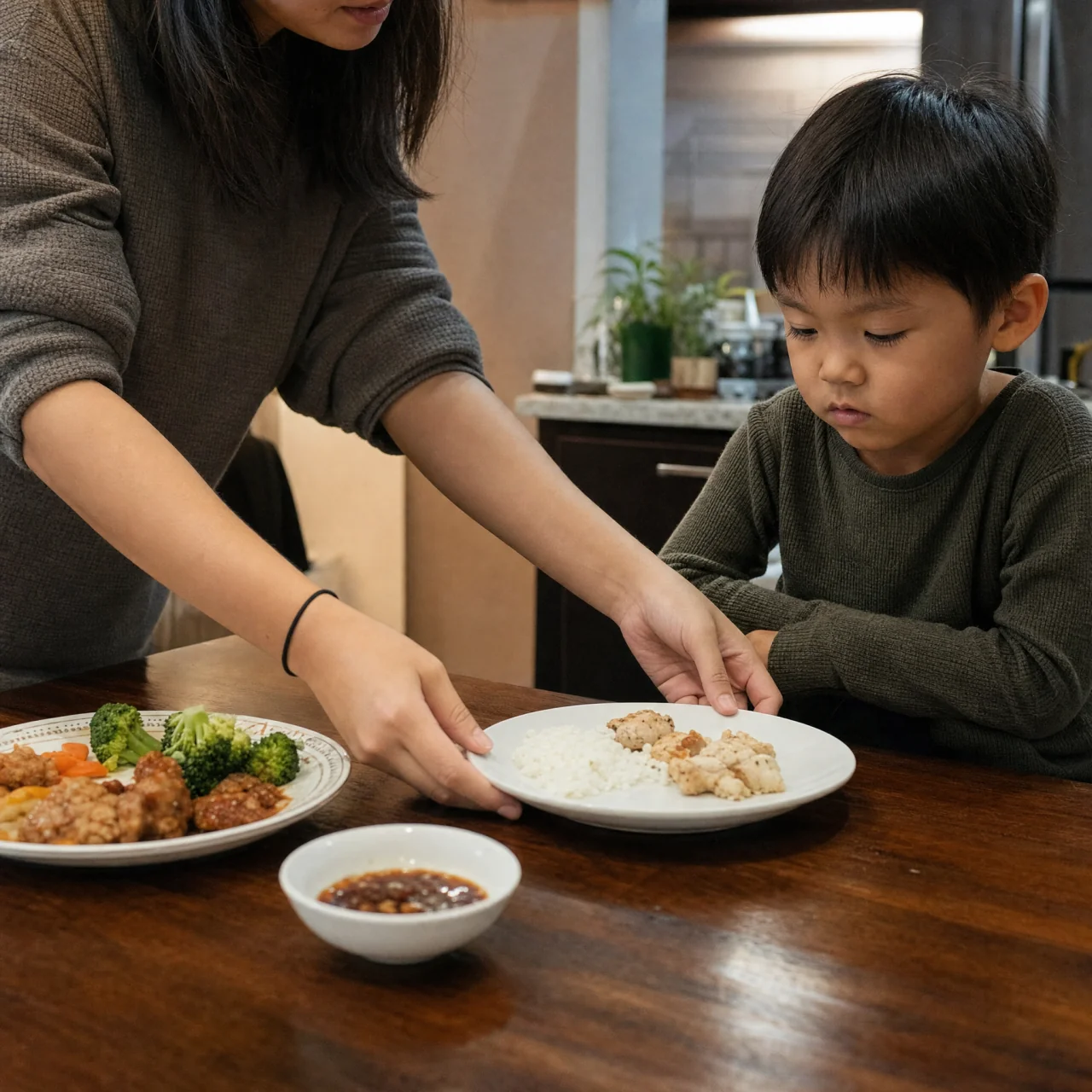
A picky-eater dinner is often easier when one familiar meal can be served in parts. A rice bowl, for example, can keep rice, chicken, vegetables, and sauce separate, with one known food on the plate and no pressure to combine everything. ChatGPT can turn a common family dish into a simple, flexible version and explain which parts stay shared, which stay separate, and where to add an easy fallback.
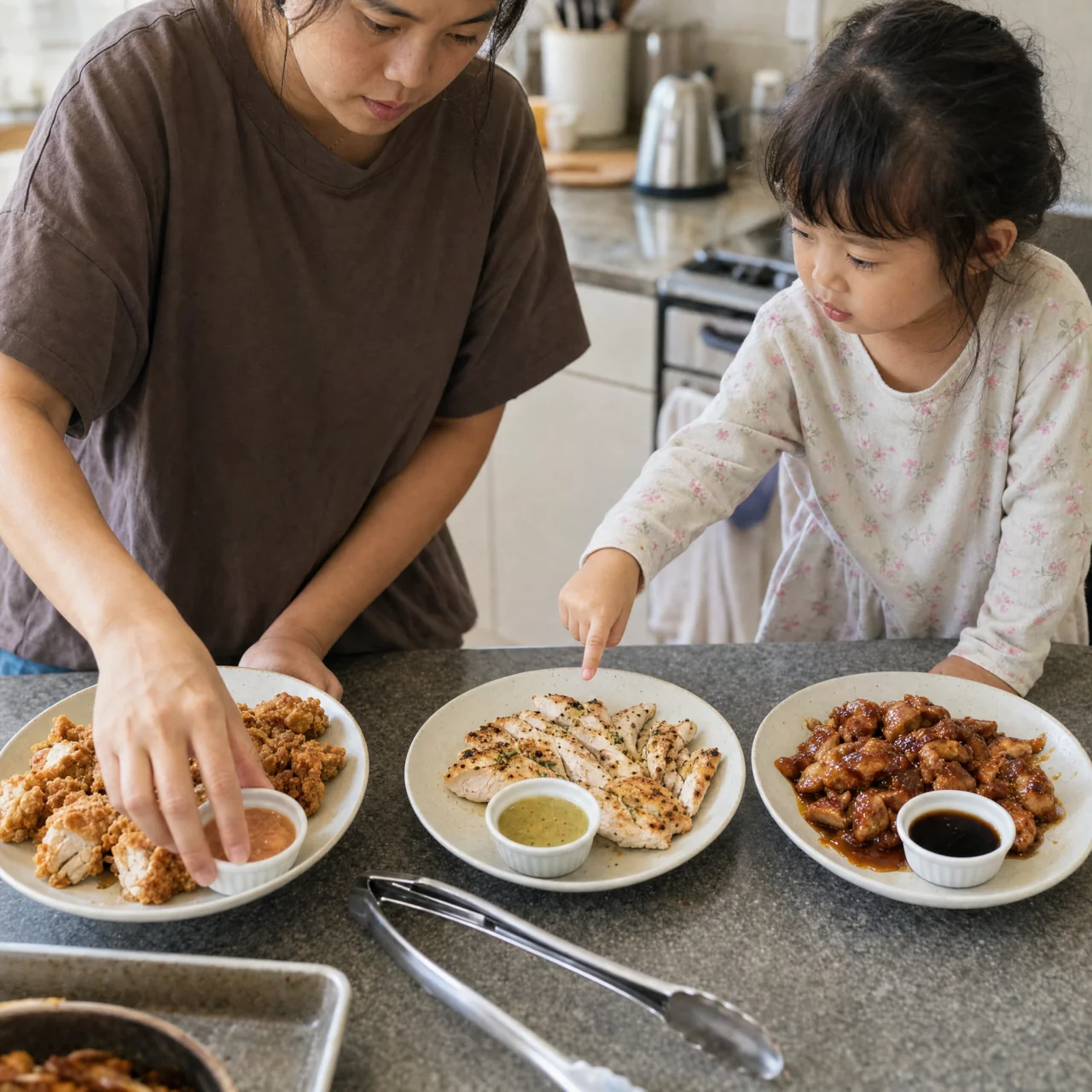
Dinner choices for common sticking points
Different kinds of picky eating call for different dinner choices. A child who dislikes mixed foods may do better with separate parts, while someone who avoids soft textures may need a crisp side; strong sauces can also stay on the table instead of on the food. ChatGPT can use the eater’s main sticking point, accepted foods, and allergy needs to suggest the most useful dinner setup and swaps.
A short plan everyone can use
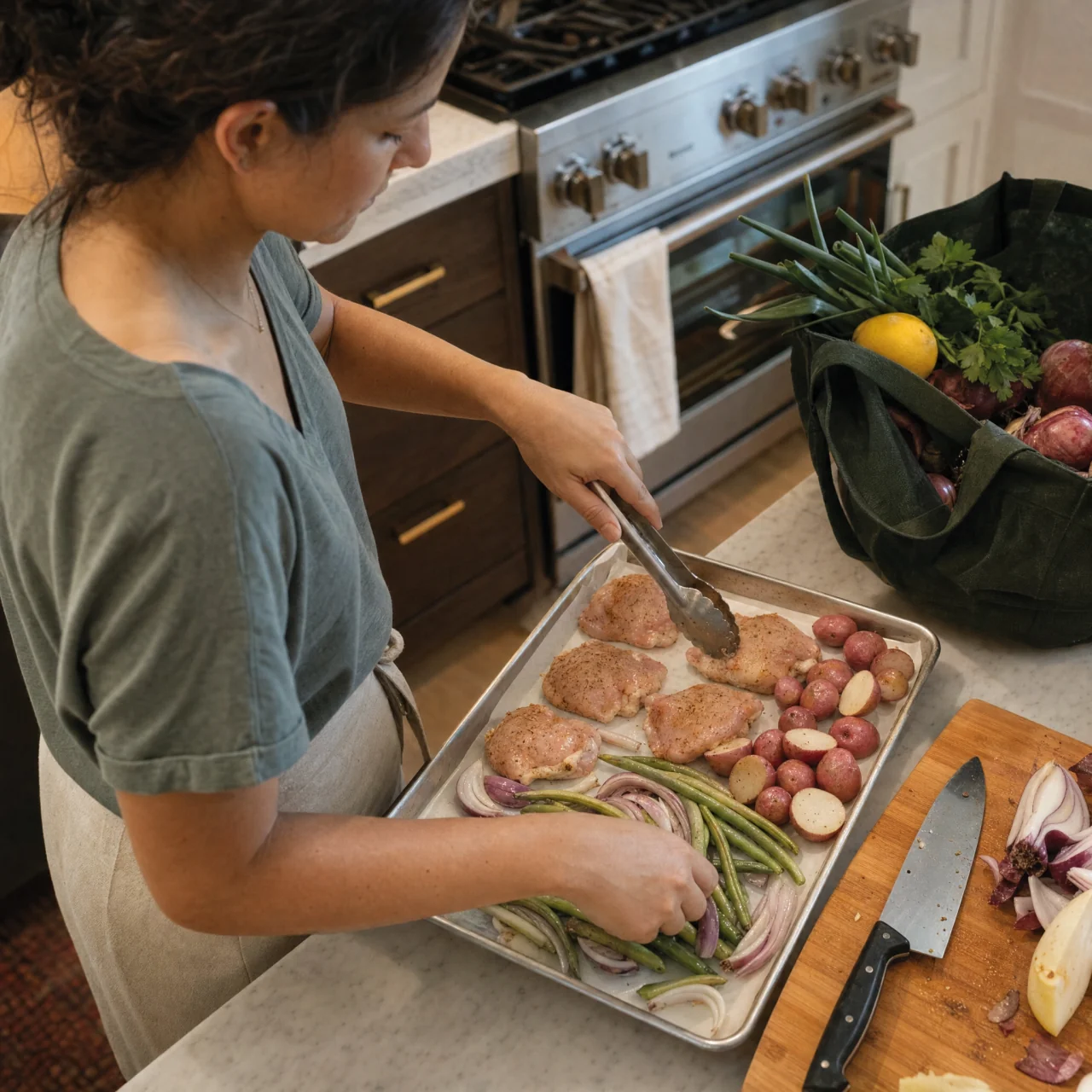
A useful plan repeats familiar ingredients without serving the exact same plate. It should include easy main dishes, simple sides, and built-in choices, so the cook is not making a second dinner from scratch each night. ChatGPT can use your accepted foods, firm dislikes, allergy needs, serving count, and cooking comfort to create a short dinner plan with easy recipes and a focused grocery list.
Small fixes after a rejected meal
A refused dinner does not always mean the whole idea failed. What the eater touched, tasted, or left behind can point to a small change, such as separating a sauce, changing the texture, or adding a familiar side. ChatGPT can review the meal, what was served, and the eater’s reaction, then suggest a simpler next version that keeps the useful parts.
問問 ChatGPT
Keep other family meals simple
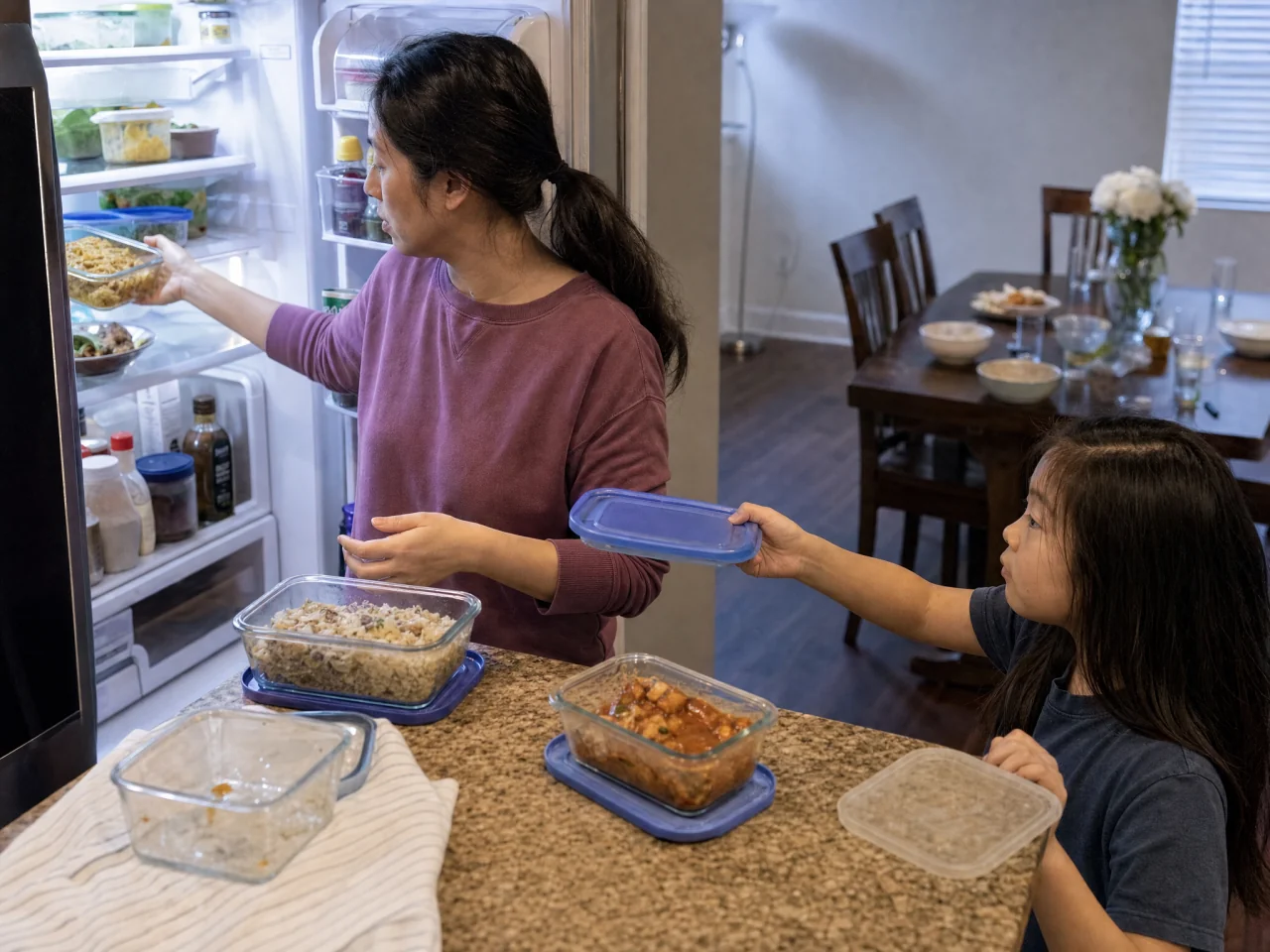
You now have a way to make dinners more flexible. Use the same accepted foods and family needs to build simple breakfast or lunch ideas next.